A & L Finish Carpentry, LLC
What Happens If You Skip a Structural Inspection Before Refinishing Old Stair Treads?
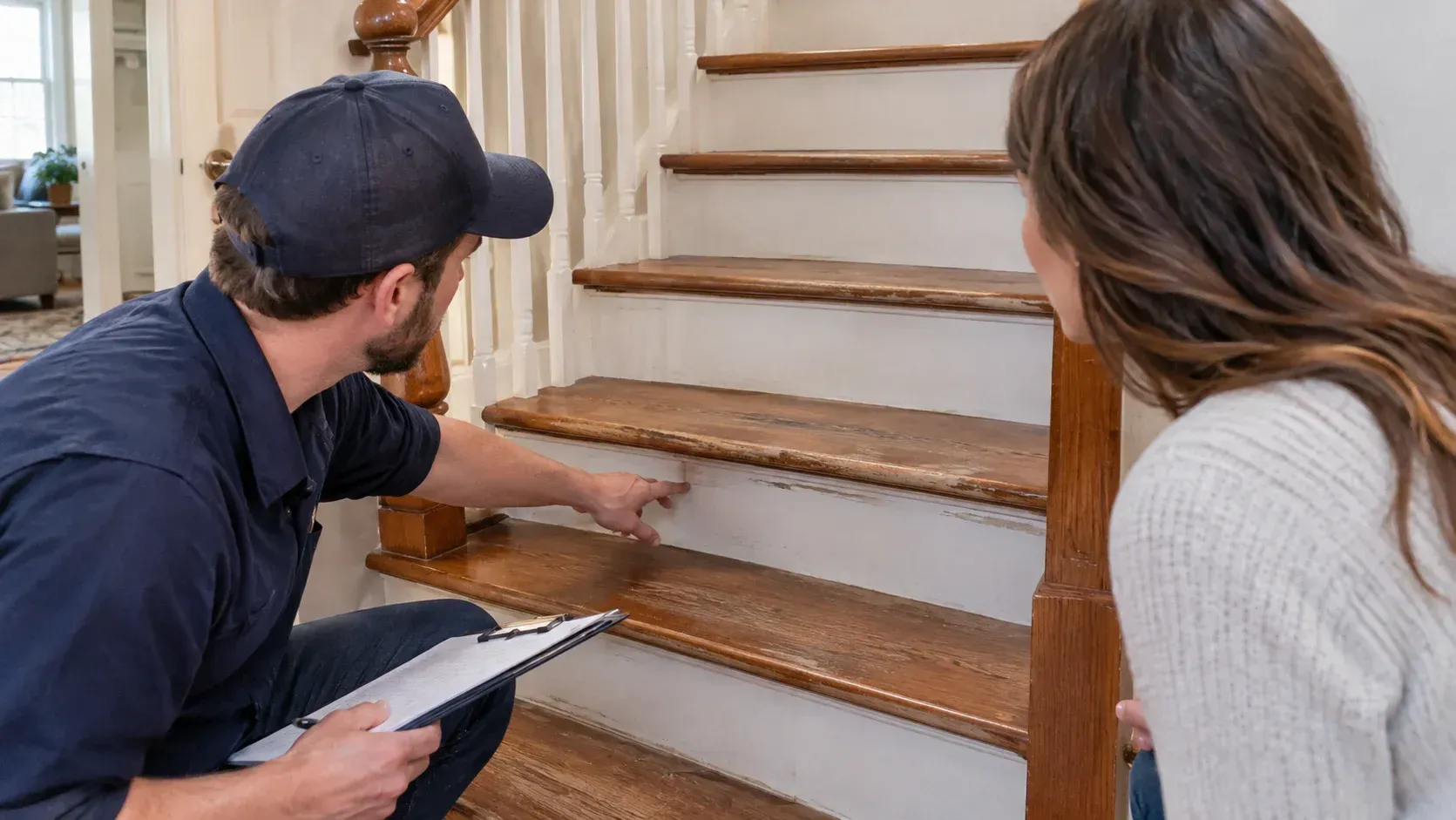
Table of Contents
- The Direct Answer: What Can Go Wrong
- What a Structural Inspection Covers
- The Specific Risks of Skipping It
- Warning Signs to Look For Before You Refinish
- A Decision Framework
- A Hypothetical Example
- Common Misunderstandings
- What Typical Online Advice Overlooks
- Conclusion
- Planning to Refinish Old Stair Treads?
- Frequently Asked Questions
Key Takeaways
- Skipping a structural inspection before refinishing can lock hidden damage under a fresh finish, so the stairs look repaired while a cracked tread, weak stringer, or loose connection is still there.
- Sanding removes wood. Treads that were already thin or weakened can end up weaker after refinishing, which is why condition should be checked first.
- Refinishing work done over unaddressed problems often has to be redone, which turns a modest project into a more expensive one.
- Homes built before 1978 may have lead-based paint in old finishes, and sanding can create hazardous dust, so older stairs deserve extra caution.
- A structural inspection is usually a short visual and hands-on check, and it is much cheaper than repairing a failed stair or an injury.
Introduction
If you skip a structural inspection before refinishing old stair treads, the most likely outcome is a good-looking staircase with hidden problems still underneath. Sanding and staining cover the surface, but they do nothing for a cracked tread, a rotted stringer, or a loose connection, and sanding itself removes wood that may already be thin. The risks fall on everyone who uses the stairs, whether that means family members, guests, employees, or customers.
For Shorewood homeowners and business owners, the question matters because many older properties have original stairs that have carried decades of foot traffic, winter moisture, and seasonal wood movement. People often start by looking at stair trim work and finishes, when the more important first step is confirming the stairs are sound enough to refinish.
This article explains what a structural inspection involves, what can go wrong without one, which warning signs to check, and how to decide between refinishing, repairing first, or replacing treads.
What a Structural Inspection Covers
What the Term Means
A structural inspection of a staircase is a careful look at the parts that carry weight and keep the stairs stable. It is not a cosmetic review. It asks whether the stairs can safely support people before anyone spends money making them look better.
The Parts That Get Checked
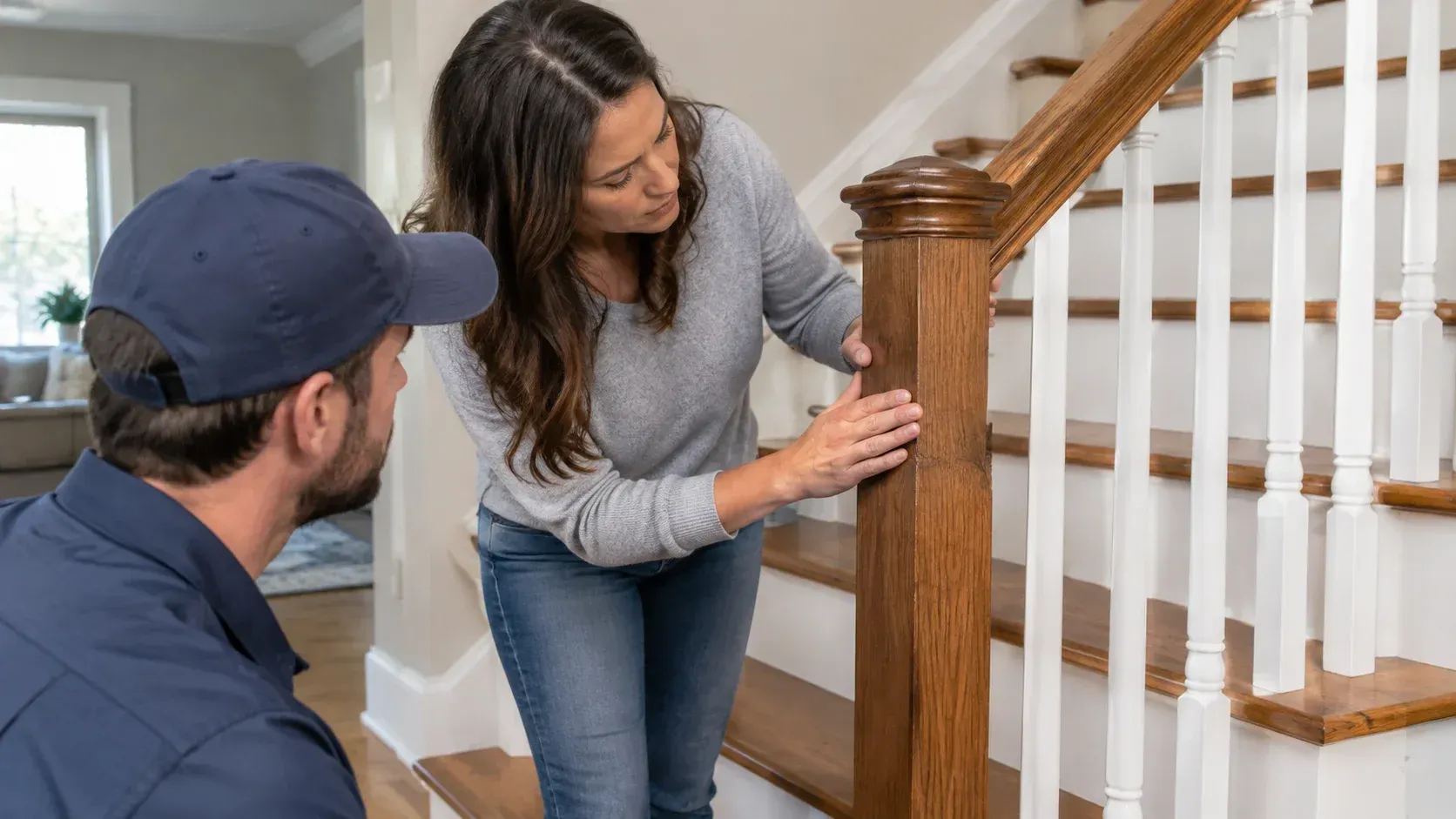
An inspector, carpenter, or contractor typically looks at several components. Treads are the surfaces you step on, risers are the vertical boards between them, and stringers are the angled supports that carry the load. The inspection also covers how each tread connects to the stringers, the condition of the framing and supports under the staircase, and the handrail and newel posts.
How It Is Usually Done
Most inspections combine visual checks with simple physical tests. That can mean pressing on each tread, probing suspicious wood with a screwdriver, checking for movement at connections, and looking at the underside of the stairs when it is accessible. For major concerns, such as sagging or suspected framing damage, a structural engineer or licensed professional may be the right next call.
The Specific Risks of Skipping It
Hidden Damage Gets Covered Up
Direct Answer: Refinishing hides problems rather than solving them. A tread with rot, a hairline split, or a loose connection can look perfect after sanding and finishing, which may give a false sense that the stairs are in good shape.
Sanding Can Weaken Thin Treads
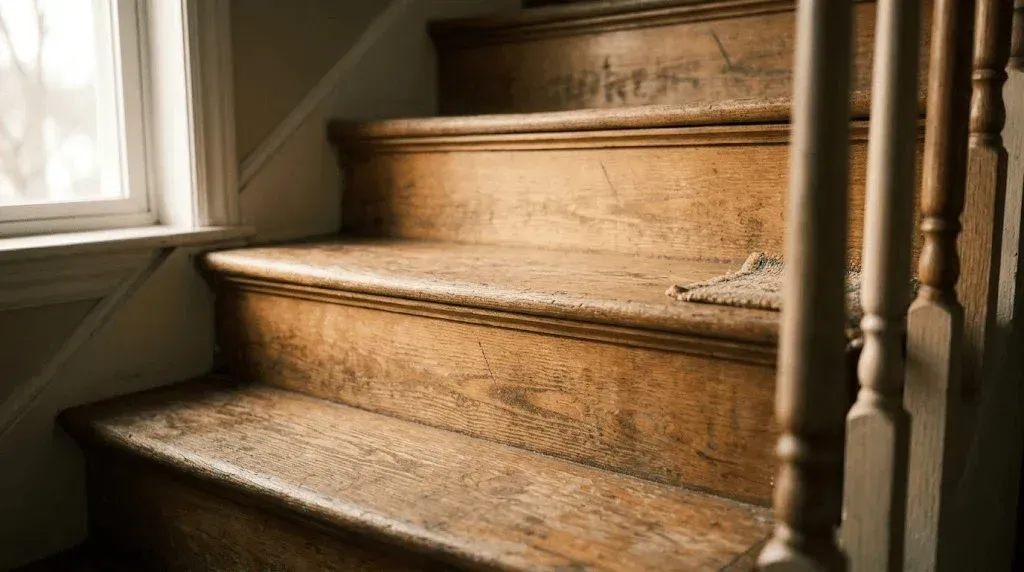
Sanding removes material, and older treads may already be worn from decades of use. Heavy sanding on a worn tread can reduce its thickness further, particularly near the nosing, which is the front edge that takes the most wear. A tread that was borderline before sanding may be less able to carry load afterward.
The Finish May Fail Early
Finish adheres best to sound, stable wood. If a tread flexes under weight, the finish can crack along the movement. If moisture is still getting into the wood, stain and sealer may peel or discolor. Both outcomes mean paying to refinish twice.
Safety Risks Increase
A loose or damaged tread is a trip and fall risk. A weak stringer or failed connection can create a sudden failure under load. Because stairs are a common location for household falls, a problem hidden under a new finish can matter more than one that is visible and obvious.
Costs Can Rise
Repairing a stair after it has been refinished often means sanding or removing the new finish, repairing the damage, and refinishing again. In that situation the total cost can be higher than if the inspection and repair had been done first.
Lead Paint and Dust Concerns in Older Homes
Homes built before 1978 may have lead-based paint in older finishes. Sanding or scraping those surfaces can create fine dust that is hazardous, especially for children and pregnant women. The U.S. Environmental Protection Agency has lead-safe work practice rules for contractors who disturb paint in older homes, so it is worth asking about this before anyone starts sanding.
Warning Signs to Look For Before You Refinish
Movement and Sounds
Treads that flex, shift, or squeak under weight can point to loose connections or worn supports. Noise alone is often minor, but visible movement is a stronger signal.
Cracks, Splits, and Soft Wood
Check the tread surface and edges for cracks, particularly near the nosing and where the tread meets the stringer. Press a screwdriver tip into wood near the edges and the underside. Soft or crumbly wood suggests rot or insect damage.
Gaps Between Parts
Visible gaps between treads and risers, or between treads and stringers, can mean the stair has loosened or shifted over time.
Sagging or Uneven Steps
If the stair lines no longer look level, or you notice a dip in the middle of a tread or a slope in the staircase, framing or support issues may be present.
Moisture Staining
Dark spots, discoloration, or a musty smell are common near exterior doors and basement stairs. In a climate with snow, slush, and road salt carried in on shoes, entry-area stairs can see more moisture than the rest of the home.
| What the Inspection Finds | Likely Next Step | Why |
|---|---|---|
| Treads are solid, connections are tight, wood has only surface wear | Refinish | The structure is sound and the finish is the main issue |
| A few loose treads, no damage to the wood | Re-secure treads, then refinish | Fixing connections first helps the finish last |
| Cracked or split treads | Repair or replace affected treads before refinishing | Cracks do not stay hidden under finish |
| Soft or rotted wood | Replace damaged parts and fix the moisture source | Rot continues beneath a new finish |
| Weak or damaged stringers, sagging stairs | Structural repair, possibly with an engineer | Surface work cannot fix a framing problem |
| Pre-1978 finish with possible lead paint | Test and use lead-safe practices | Sanding can spread hazardous dust |
A Hypothetical Example
Imagine a 1950s home with original oak treads. The owner plans to sand and stain them, and one tread near the bottom feels slightly springy but looks fine. Without an inspection, the project proceeds, and the finish goes on over a tread that has a hidden split along the grain.
A few months later, the finish cracks along the split and the tread starts to flex. Now the repair includes removing the finish, replacing the tread, and matching the stain on a staircase that was just finished.
This is an illustration, not a real client case. The point is that an inspection beforehand would likely have caught the split while it was inexpensive to address.
Common Misunderstandings
Common belief: If the stairs look fine, they are fine.
What is actually true: Surface appearance does not show the condition of the stringers, the connections, or the framing below. Many serious problems are not visible from the top of the tread.
Why the distinction matters: A good-looking staircase can still have a structural issue, and refinishing can make the issue harder to notice.
Common belief: Refinishing is only cosmetic, so it carries no structural risk.
What is actually true: Sanding removes wood, and heavy sanding on thin or worn treads can reduce their strength. It can also expose or worsen existing damage.
Why the distinction matters: Refinishing is not always as harmless as it sounds, especially on very old treads.
Common belief: A structural inspection is only for major renovations.
What is actually true: A basic inspection is useful before any significant work on stairs, including refinishing, because it takes little time compared with the project itself.
Why the distinction matters: Doing the inspection first often saves time and money rather than adding to it.
What Typical Online Advice Overlooks
Most refinishing guides focus on sanding grits, stain colors, and sealers. They rarely mention how much wood is actually left in an old tread, which can be the deciding factor on whether sanding is a safe option. Some treads are better refinished lightly, recoated, or replaced entirely.
Another overlooked point is the property type. Business owners have additional considerations, because commercial stairs may be subject to different building and accessibility requirements than a single-family home, and an injury on business premises can involve liability. Requirements vary by location, so it is wise to confirm current rules with the local building inspector before making structural changes. Wisconsin has its own residential construction rules, and this article does not replace guidance from local officials.
Finally, advice often assumes every staircase is accessible from below. In many homes, the underside is closed in by drywall or finished space, which makes it harder to check stringers and framing. In those cases, an experienced carpenter may find clues from the top of the stairs, but some concerns may require opening a small access point. If you are choosing who to hire, reading about hiring a finish carpenter can help you prepare useful questions, and the carpentry FAQs cover other common concerns.
Conclusion
Skipping a structural inspection before refinishing old stair treads means taking a chance on what is under the surface. The most common outcomes are hidden damage covered by a new finish, treads weakened by sanding, finishes that fail early, higher repair costs later, and safety risks that remain in place. A short inspection of treads, risers, stringers, connections, and supports lets you choose between refinishing, repairing first, or replacing parts with real information instead of guesses. For older homes, it also gives you a chance to consider lead-safe practices before sanding begins.
Planning to Refinish Old Stair Treads?
If you are weighing old stair tread refinishing and want to talk through what to check first, you can
contact us with questions or photos of your stairs. Our team is based in southern Utah, so it is worth confirming whether we can work in your area before planning a project. This article is meant to support your planning, and it does not replace an in-person inspection by a qualified professional.
Frequently Asked Questions
Is a structural inspection necessary before refinishing stairs?
It is strongly advisable. A short check of treads, stringers, and connections can reveal hidden damage that refinishing would otherwise cover up, and it costs far less than redoing work later.
Who can perform a structural inspection of stairs?
A qualified carpenter, contractor, or home inspector can check most stairs. For sagging, suspected framing damage, or major concerns, a structural engineer may be appropriate.
Can sanding make old stair treads weaker?
Yes, if the treads are already thin or worn. Sanding removes material, so a tread that was borderline before may be less able to carry load afterward.
What should I do if my home was built before 1978?
Have old finishes checked for lead before sanding. Lead dust is hazardous, and contractors working in older homes may need to follow EPA lead-safe work practices.
How long does a stair inspection take?
A basic visual and hands-on inspection often takes under an hour. Hidden areas or suspected framing problems can require more time or additional access.